Museum of International Folk Art, Santa Fe, New Mexico
Date Visited: July 2, 2026
Location: Santa Fe, New Mexico
Type: Museum
Cost: $$
Difficulty: Easy
Time Required: 1-3 hours
Accessibility: Fully accessible
Dog Friendly: No
Best For: Arts and crafts lovers, families
My Impressions
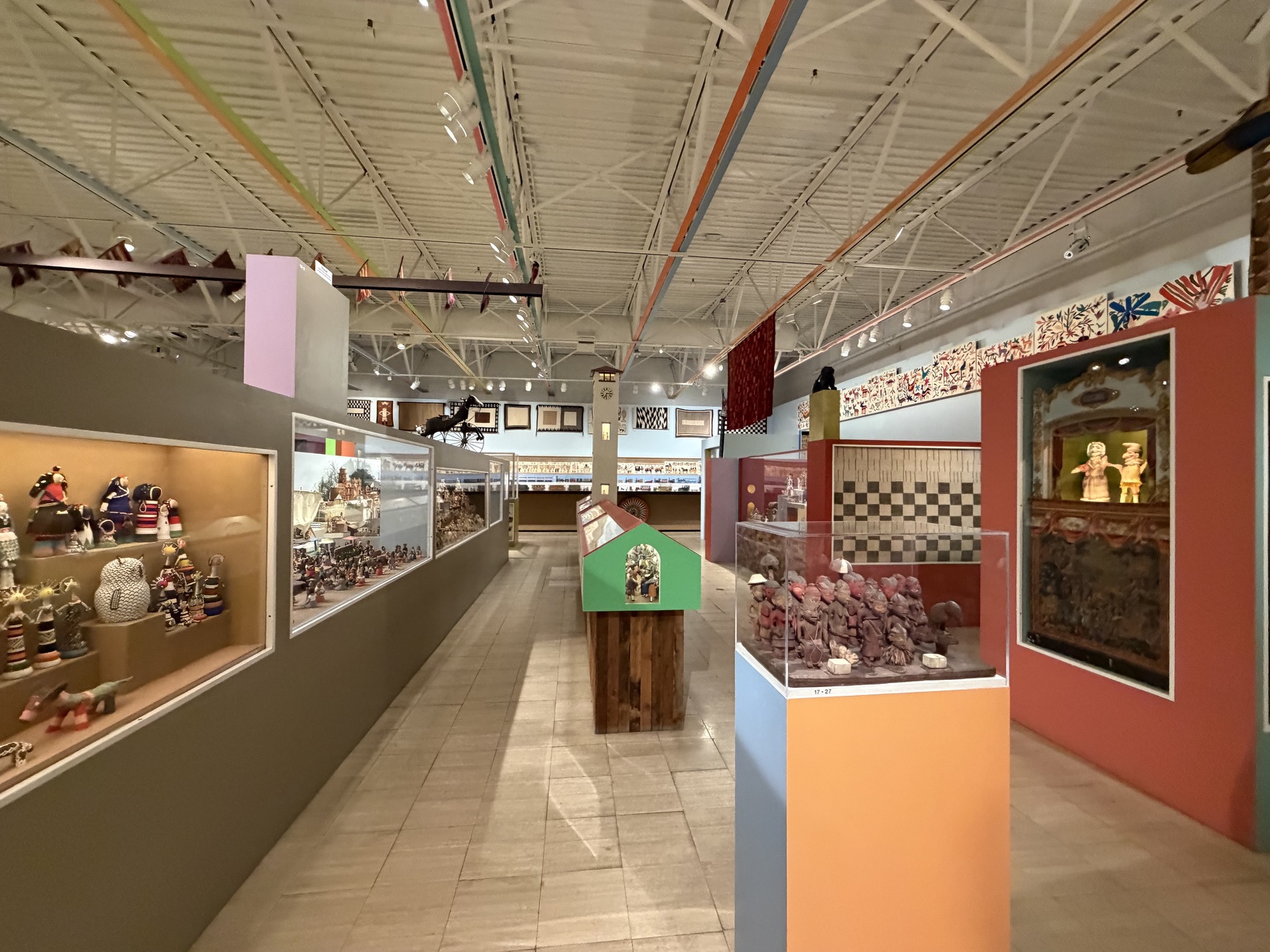
I'm taking a different tack when writing this review today because the Museum of International Folk Art is a museum unlike any other museum you are likely to visit. I spent most of my time exploring the Girard Wing, which houses a collection amassed by Alexander Girard and his wife, Muriel. Over 100,000 objects from around the world are displayed here. And while the museum displays many other wonderful collections, it is the Girard Wing that truly captures the essence of folk art.
Walking into the Girard Wing at the Museum of International Folk Art felt like stepping across an invisible threshold — one moment I was in a museum, the next I was inside a world built entirely from human imagination. It wasn’t a gallery in the usual sense. It was a kind of global daydream, a place where color, pattern, and playfulness gathered themselves into a single, humming environment.
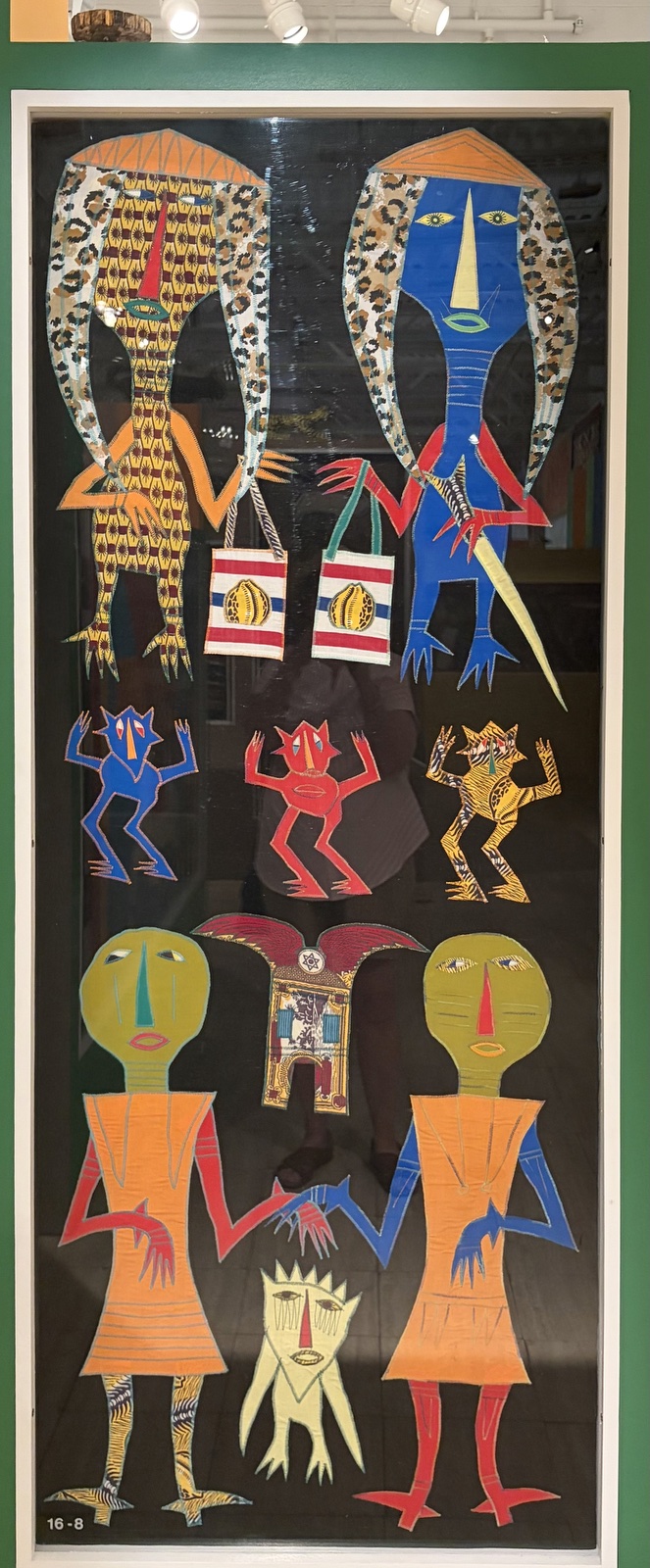
I didn’t move through it so much as drift, letting my eyes catch on whatever called out first: a cluster of tiny wooden horses, a wall of masks grinning and grimacing, a parade of festival figures frozen mid‑celebration. Everywhere I looked, something handmade was waiting — something shaped by a person I would never meet, living in a place I might never go, yet somehow speaking directly to me.
As I wandered, I kept thinking about what folk art really is. It’s easy to call it “craft” or “traditional art,” but those words feel too small. Folk art is creativity rooted in community, not in formal training or academic theory. It’s made for celebration, ritual, storytelling, and daily life, not for galleries or collectors. It carries the fingerprints of families, villages, and generations.
It is not quaint.
It is not primitive.
It is not lesser.
Folk art is a record of how people understand their world — a visual language shaped by shared memory. And in the Museum of International Folk Art, that language becomes all-encompassing.
Color, Pattern, Playfulness, Shape, Community
What struck me most was how the museum uses color as its first storyteller. Reds, blues, yellows, greens — they repeat across continents, forming a shared palette of joy. Color becomes a kind of connective tissue, linking objects that come from vastly different places.
Then there are the patterns. Zigzags from Mexico seem to answer spirals from India; dots from Sweden nod to stripes from Japan. Patterns behave like cultural memory, whispering across the cases. They remind me that humans everywhere reach for repetition when they want to make meaning visible.
The playfulness surprised me. So many toys, puppets, miniatures, festival figures — all insisting that creativity isn’t only solemn or monumental. It’s mischievous, humorous, and deeply alive. Girard understood that play can be a philosophy as well as a pastime.
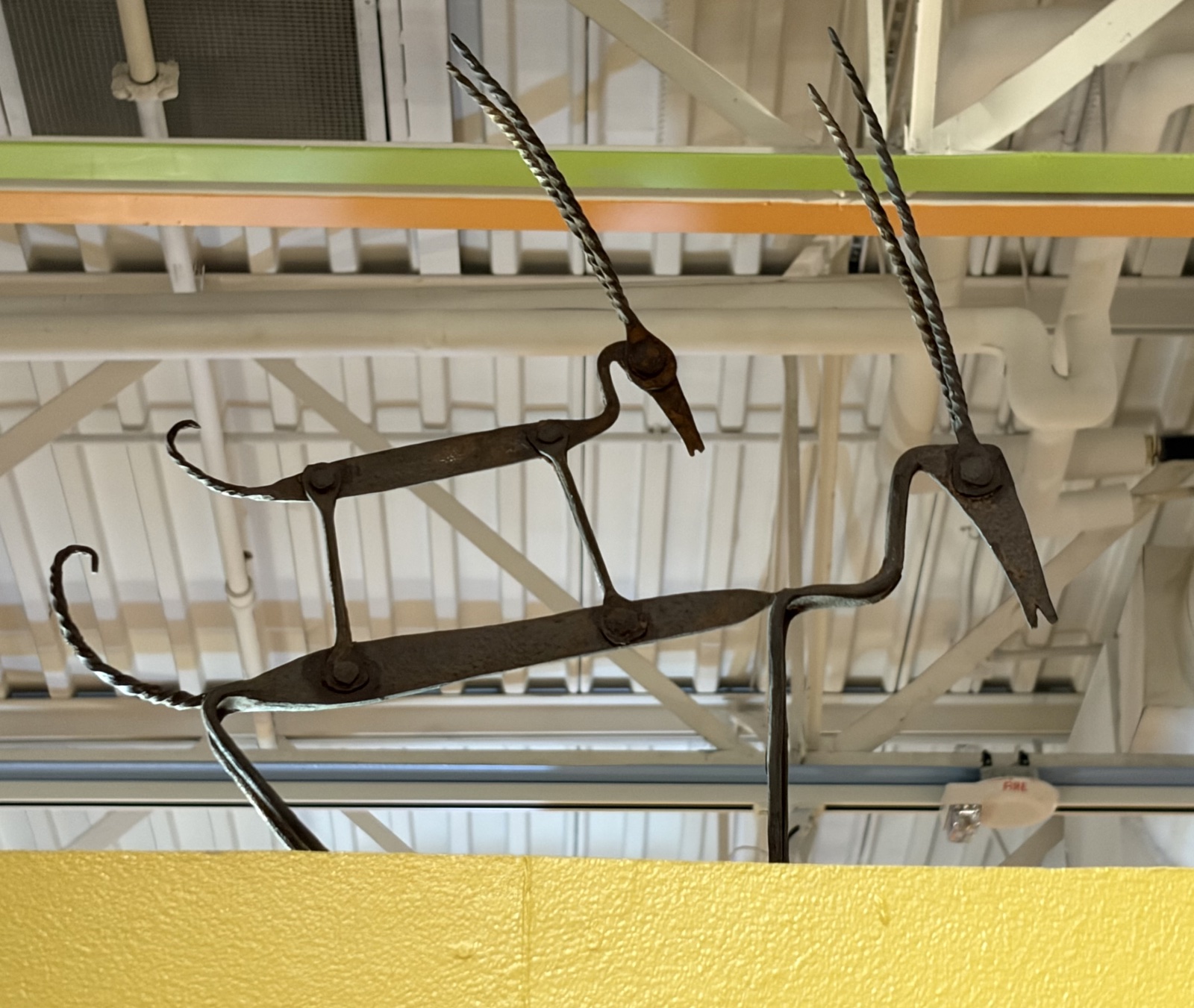
And the shapes — circles, horses, masks, houses, birds — recurring forms that appear everywhere. They feel like a shared human vocabulary, the basic building blocks of how we express ourselves visually.
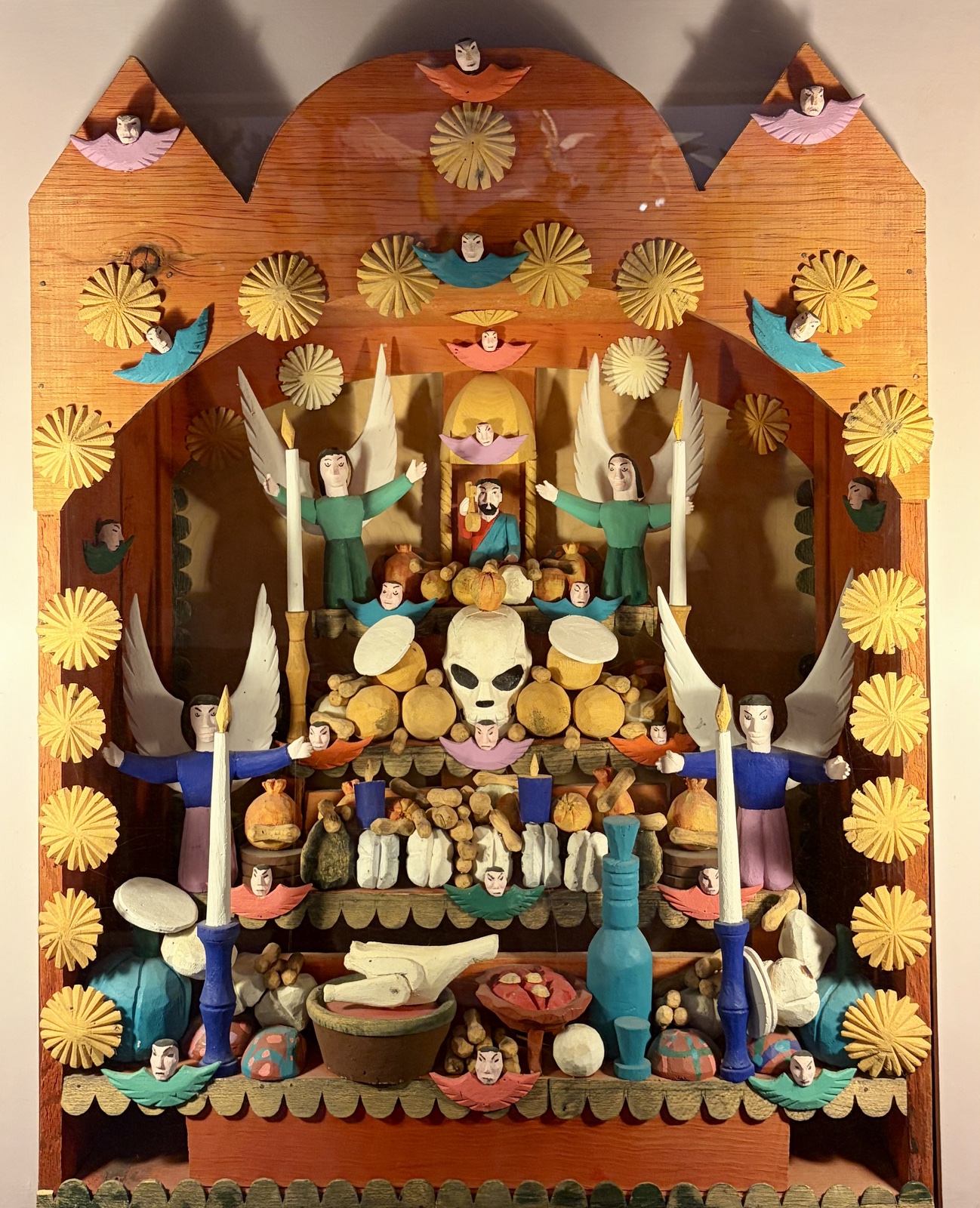
But the deepest thread running through the Wing is community. Every object was made for someone: a child, a festival, a family altar, a village celebration. Nothing here was created in isolation. Everything belongs to a story larger than itself.
A Museum That Doesn't Act Like a Museum
Most museums separate objects by geography or time. The Girard Wing does the opposite. It mixes cultures freely, trusting visitors to see the common threads. Instead of a map, you get a mosaic. Instead of categories, you get connections.
The density of the displays — hundreds of objects arranged like patterns — creates a sense of abundance that borders on the ecstatic. I didn’t analyze the art; I immersed myself in it. I let myself be carried by the sheer scale of human creativity.
At one point I stopped walking and simply stood still. The room felt like it was breathing in the way that a place full of stories can feel alive. I felt humbled by the enormity of what people make with their hands. And I felt uplifted by the reminder that art doesn’t need prestige to matter.
Final Thoughts
When I finally stepped back into the quieter corridors of the museum, I felt changed in a small but meaningful way. Folk art, in all its color and playfulness and community, had reminded me of something I often forget: that creativity is not a rare gift. It’s a human constant.
I realized that folk art isn't separate from life - it is life. Every pot, blanket, mask, and toy carries the touch of someone who made beauty part of their daily world.
Worth The Drive? Absolutely
Best Feature: The diverse collection of international folk art
Watch Out For: Very unusual museum
Overall Rating: ★★★★★